
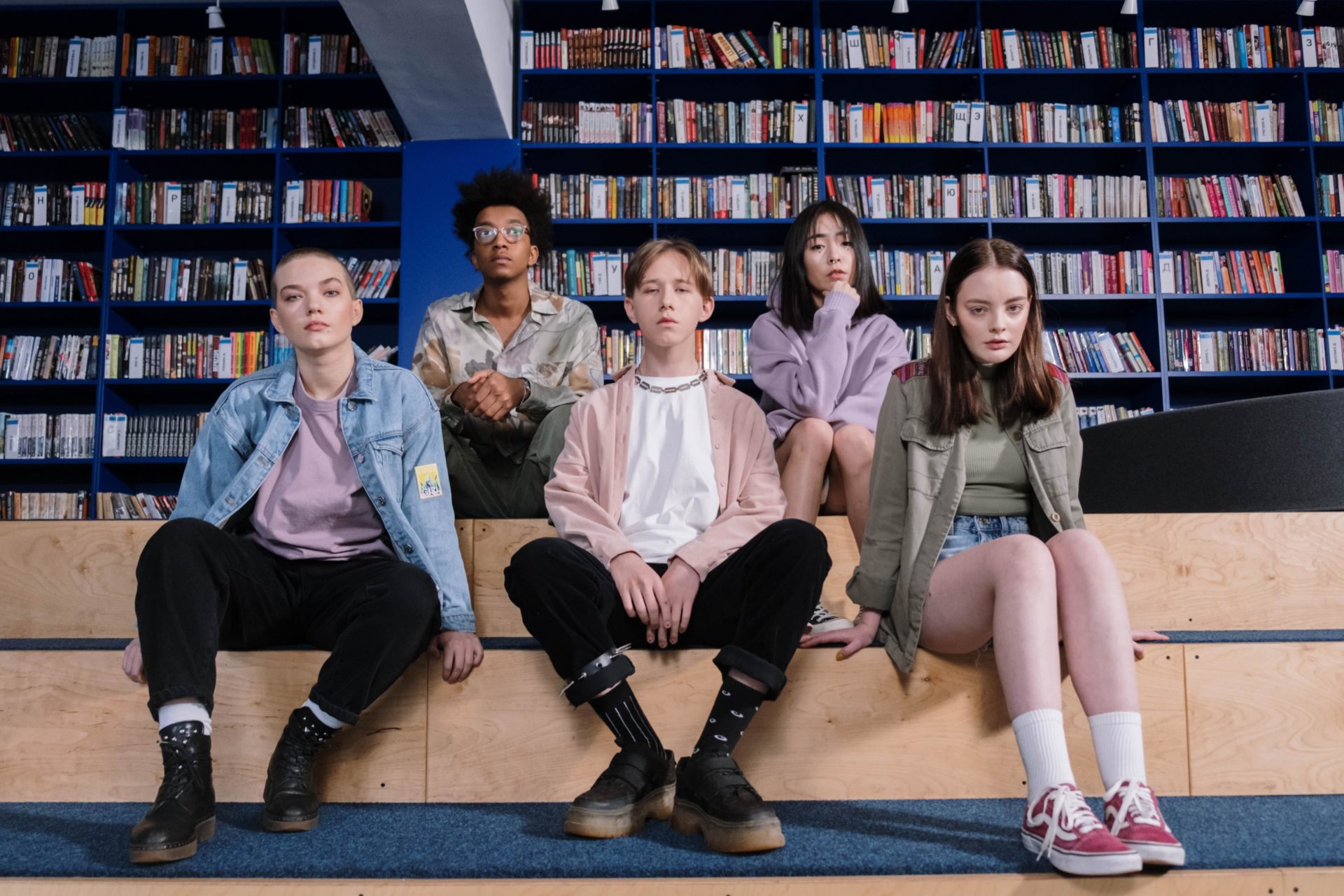
Move over millennials. Members of Generation Z are taking over work as we knew it and helping roll out important changes as we speak. Indeed, this most talked-about generation is already influencing how companies operate, what employees expect, and what the future of work will look like. :contentReference[oaicite:0]{index=0}
The future of work in the hands of the Gen Z workforce is a timely subject. It’s something that managers, companies, and workers themselves all want to understand. So, what exactly defines this generation and how are they reshaping the workplace?
So, who is Generation Z?
Generation Z generally refers to individuals born between 1997 and 2012. They are known as digital natives, having grown up alongside the internet, smartphones, and social media. They are also one of the most diverse and highly educated generations to enter the workforce.
According to the World Economic Forum, Gen Z is expected to make up a significant portion of the workforce globally, which makes their preferences and behaviours even more important to understand.
1. The importance of diversity, equity, and inclusion
Gen Z places a strong emphasis on diversity and inclusion in the workplace. They want to work in environments where people from different backgrounds, identities, and perspectives are respected and valued.
For them, diversity is not just a corporate buzzword — it’s a baseline expectation. They actively support organisations that promote inclusion and are quick to call out companies that fall short.
What about equity?
Equity goes hand in hand with diversity and inclusion. It’s about ensuring equal opportunities for growth, fair hiring practices, and removing barriers that prevent talented individuals from succeeding.
Gen Z is particularly drawn to companies that invest in skills development and provide clear pathways for career progression.
2. More than just a paycheck
While financial stability is important, Gen Z looks beyond salary. They care about purpose, growth, and personal satisfaction in their work.
This generation is known for valuing meaningful work, side hustles, and entrepreneurial ventures. Many are willing to leave jobs that feel unfulfilling or lead to burnout, even if the pay is good.
They are also confident in their skills and more willing to negotiate for better pay and opportunities.
3. A tech-savvy generation
Gen Z grew up in a connected world, making them naturally comfortable with technology. They adapt quickly to new tools, platforms, and digital environments.
This ability allows them to work efficiently, solve problems faster, and continuously learn new skills through online resources.
For them, technology is not just a tool — it’s an integral part of how they think, work, and communicate.
4. Mental health is a priority
Unlike previous generations, Gen Z openly discusses mental health and prioritises well-being. They are more likely to set boundaries, take breaks, and expect employers to support their mental health.
Companies that offer wellness programs, flexible schedules, and supportive environments are far more attractive to this generation.
Burnout is a major concern, and Gen Z is not afraid to walk away from roles that negatively impact their well-being.
5. Remote and flexible work is non-negotiable
Flexibility is one of the biggest priorities for Gen Z. The ability to work remotely or have flexible hours is often more important than traditional benefits.
They’ve seen that productivity doesn’t require being tied to a desk, and they value the freedom to balance work with personal life.
Remote work also allows them to invest time in learning, hobbies, and relationships — all of which contribute to their overall satisfaction.
Final thoughts
Generation Z is not just entering the workforce — they’re actively reshaping it. Their expectations around flexibility, inclusion, purpose, and well-being are pushing companies to evolve.
For employers, adapting to these changes is not optional. It’s necessary to attract and retain the next generation of talent.
The future of work isn’t coming — it’s already here, and Gen Z is leading the shift.